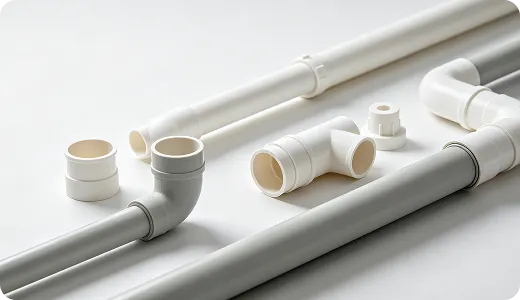
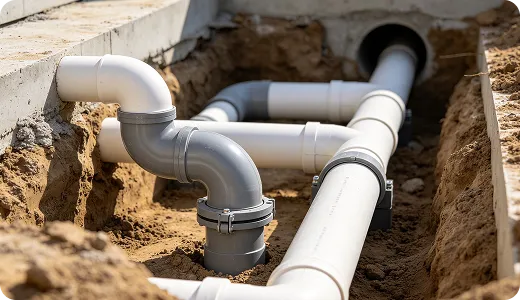
Drainage Fittings
For elbows, tees, couplings and related non-pressure drainage components. Flow, surface quality, impact performance and dimensional control are reviewed around the actual mold and fitting geometry.

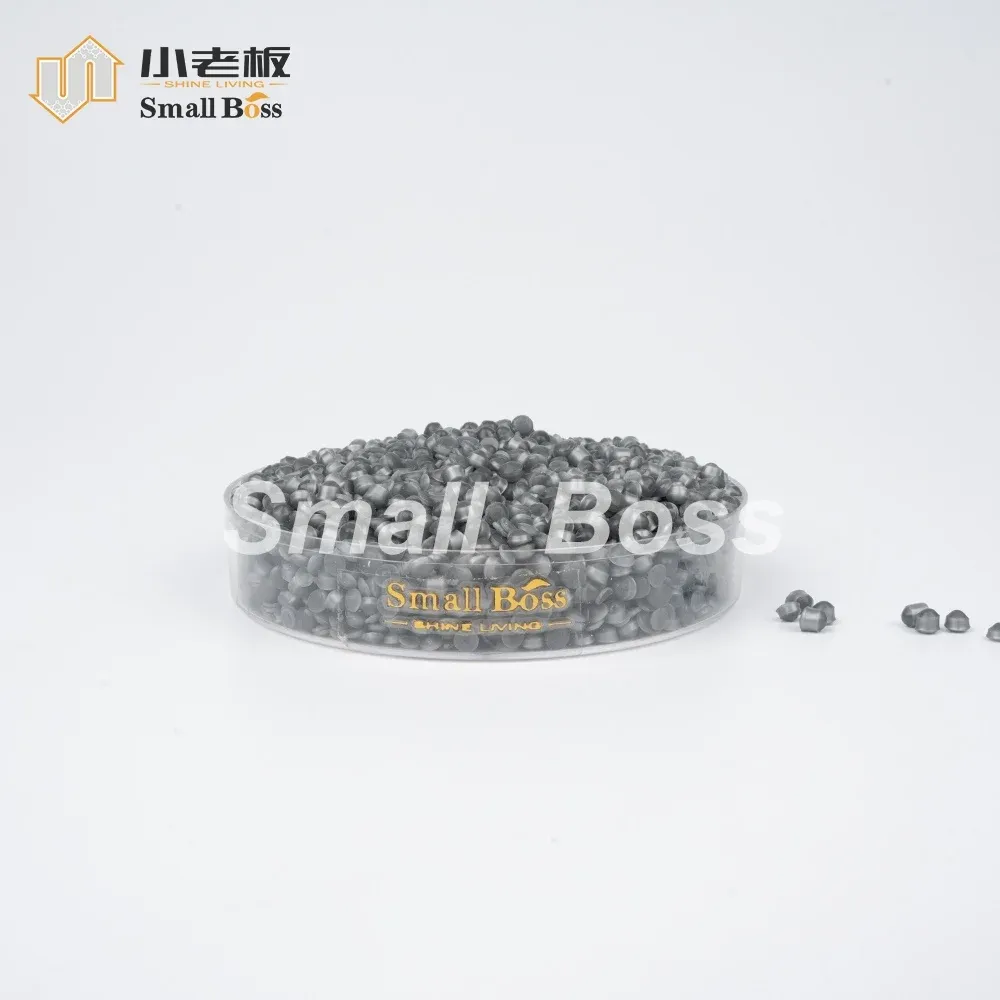
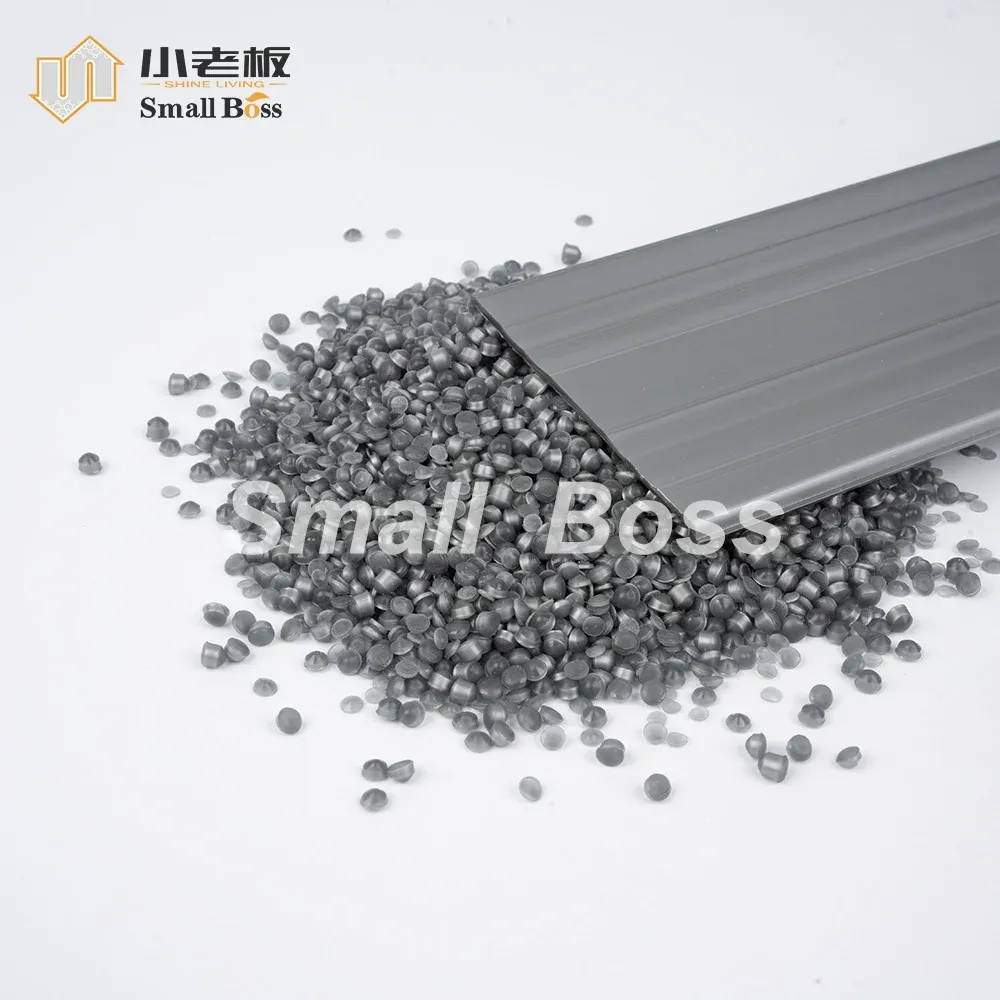
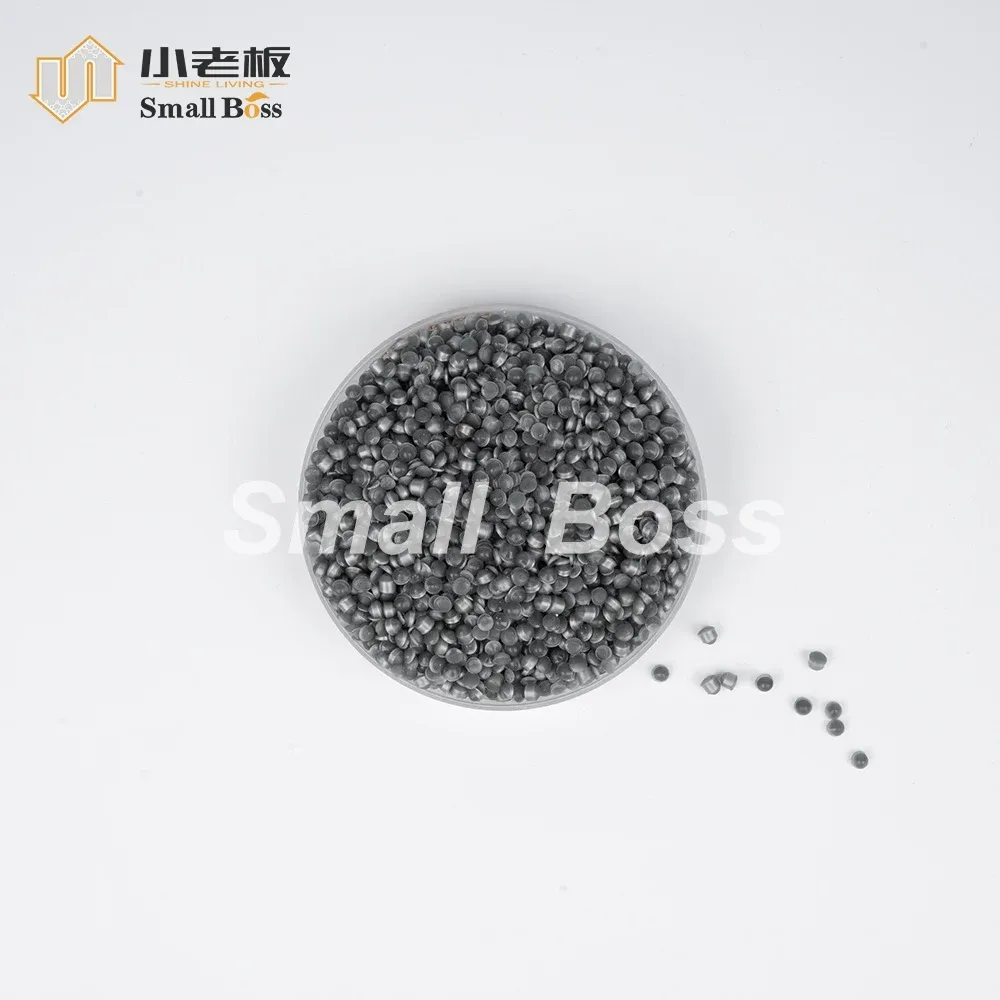
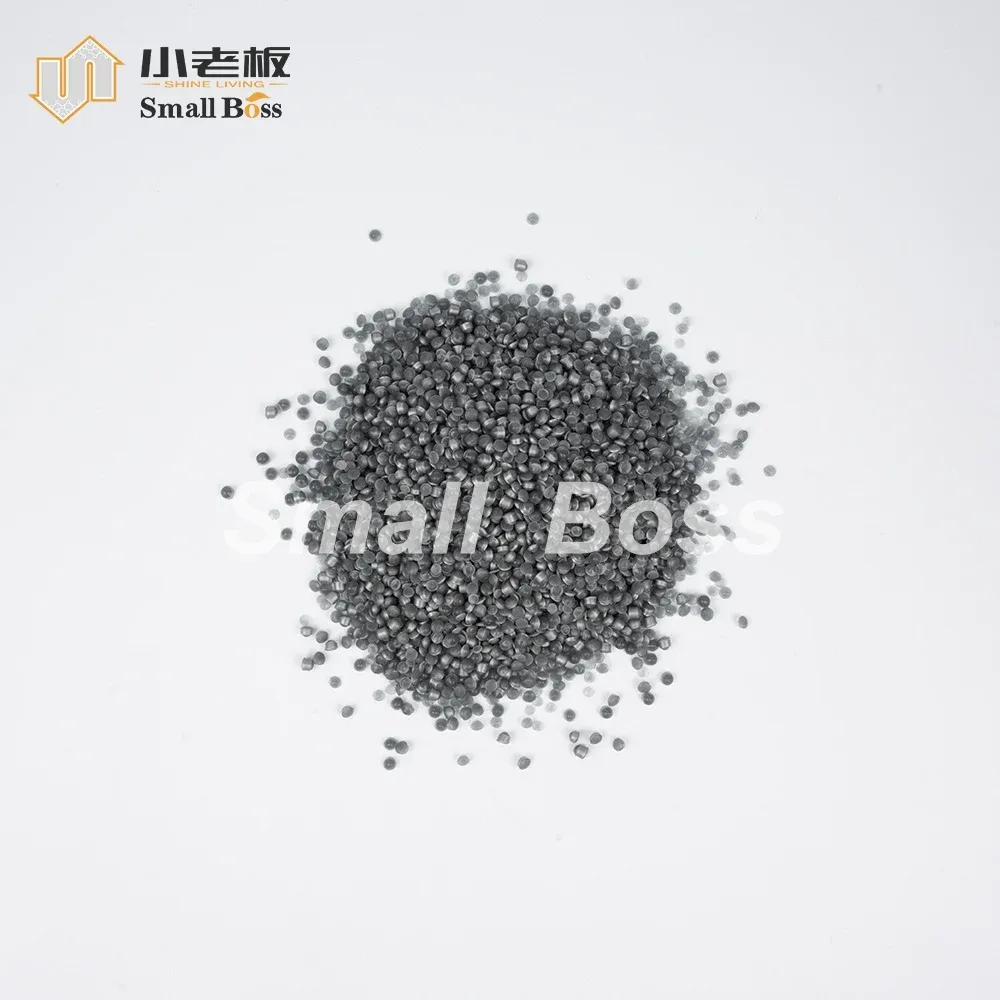
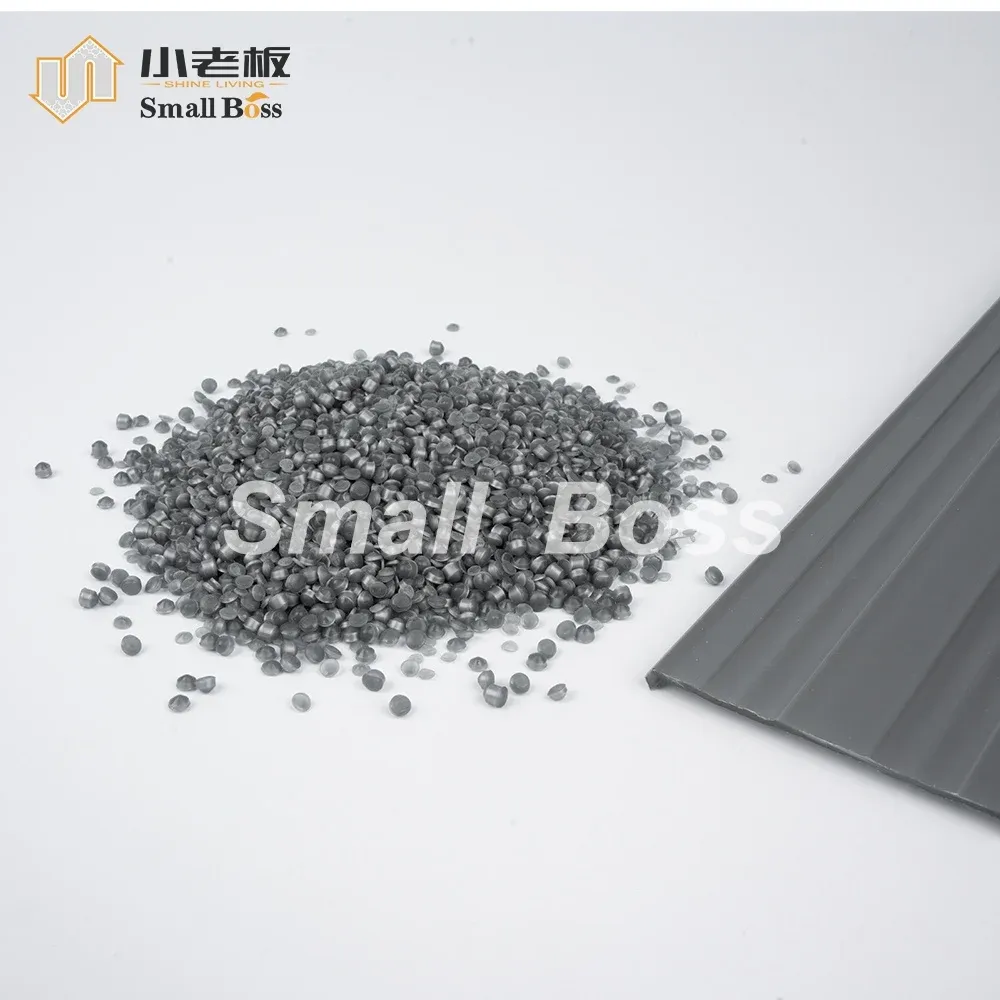
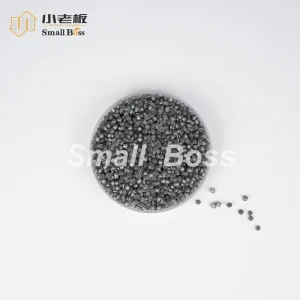
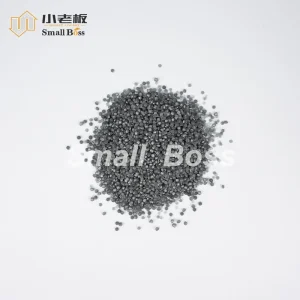
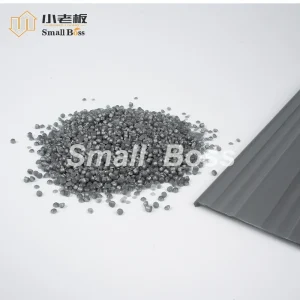
The material direction is selected according to part geometry, service conditions, processing method and the requirements that apply to the finished fitting.
For elbows, tees, couplings and related non-pressure drainage components. Flow, surface quality, impact performance and dimensional control are reviewed around the actual mold and fitting geometry.
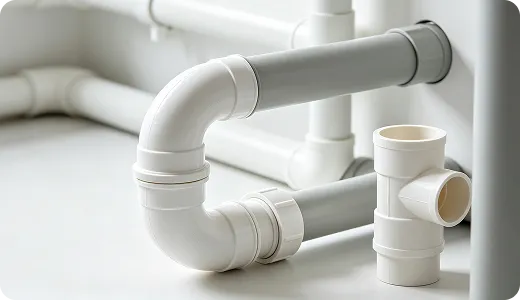
For fittings that require a higher mechanical-performance direction. Pressure rating, destination-market requirements and finished-part validation must be confirmed before a material is recommended.
For selected valve bodies and related injection-molded components where flow, surface finish, rigidity and dimensional stability must be balanced.
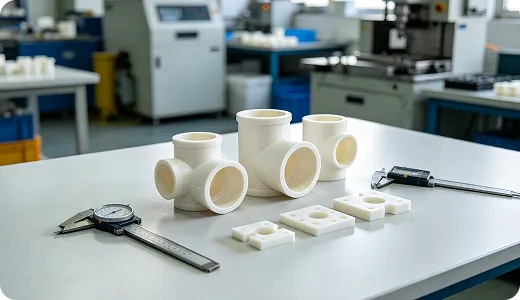
For non-standard geometries or existing production challenges. Please share a drawing, product photo, current material data and molding conditions for review.
| Finished Product | Typical Property | Screening Range | Unit |
|---|---|---|---|
| Drainage Fittings | Density | 1.36-1.53 | g/cm³ |
| Shore Hardness | 70-77 | Shore D | |
| Elongation at Break | 5-50 | % | |
| Tensile Strength | 40-55 | MPa | |
| Density | 1.36-1.43 | g/cm³ | |
| Shore Hardness | 70-77 | Shore D | |
| Elongation at Break | 50-150 | % | |
| Tensile Strength | 48-55 | MPa | |
| Ball Valve Components | Density | 1.36-1.42 | g/cm³ |
| Shore Hardness | 78-81 | Shore D | |
| Elongation at Break | 100-180 | % | |
| Tensile Strength | 48-56 | MPa | |
| Values are typical screening ranges based on current internal product information. Final limits, test methods and acceptance criteria must be confirmed after application review and sample validation. |
|||
Material, tooling and processing conditions must be reviewed together. A formulation change is recommended only after the likely cause and validation target are understood.
Incomplete filling or unstable flow may result from an unsuitable material flow profile, processing temperature, injection pressure, or mold design.
We review the material grade together with the molding conditions and part geometry. Where necessary, flow behavior and formulation can be adjusted through sampling and validation to achieve more stable filling performance.
Brittle cracking or insufficient impact strength can be related to formulation balance, processing conditions, wall thickness, stress concentration, or service temperature.
We evaluate the application requirements and failure conditions before recommending material adjustments. Sample testing is then used to verify impact performance and processing stability before production.
Discoloration, burning, or black specks may occur when the material experiences excessive heat, long residence time, contamination, or unsuitable processing conditions.
Our team reviews temperature settings, residence time, screw and barrel conditions, and material handling. Material thermal stability can also be evaluated and optimized when required.
Warpage and dimensional variation can be influenced by material shrinkage, uneven cooling, part geometry, mold design, and processing parameters.
We assess these factors together rather than treating dimensional issues as a material problem alone. Trial results are used to refine the material and processing window for improved dimensional consistency.
Consistent material behavior is important when a validated formulation moves from sampling into repeat production.
Raw material control, formulation management, production parameters, and quality inspection are monitored to reduce batch-to-batch variation. Key specifications can be confirmed during application development and maintained as reference criteria for subsequent orders.
Material, tooling and processing conditions must be reviewed together. A formulation change is recommended only after the likely cause and validation target are understood.
Management-system certificates and project documents should be shown with their actual scope, product relevance and validity.

ISO 9001 / ISO 14001 / ISO 45001 certificate copies, displayed with issuer, scope and validity.
Project-specific TDS and SDS after the material direction is confirmed.
COA, agreed inspection results, lot identification, retained sample and traceability records where included in the approved supply process.
Declarations or third-party reports only when they match the relevant product, sample, date, destination market and test scope.
Technical review, sampling and controlled production are connected within one supplier workflow.
Employees in R&D
Sample Lines
PVC Compounding Lines
PVC Compound Capacity
Management-system certificates and project documents should be shown with their actual scope, product relevance and validity.
No. This page describes an application-led material direction rather than a single fixed grade. The final formulation and specification are confirmed based on the finished product, processing equipment, target properties, applicable standards, and sample validation results.
This material direction can be developed for a range of rigid PVC injection-molded fittings and components, including drainage fittings, connectors, elbows, tees, couplings, valve components, and other molded parts.
The appropriate formulation depends on part geometry, wall thickness, processing conditions, mechanical requirements, and the intended application.
Potentially, yes. Materials intended for drinking-water contact require additional review of the target market, applicable standards, formulation restrictions, and required testing or certification.
Please provide the destination market and relevant compliance requirements before sampling so that the material direction can be evaluated accordingly.
Depending on the application, the formulation can be evaluated for properties such as flow behavior, impact performance, hardness, tensile strength, elongation, dimensional stability, color, and processing stability.
Adjustments are made against defined application targets and should be confirmed through sample testing and production trials.
To prepare a suitable sample direction, we typically need the finished product type, drawings or product photos, molding machine information, mold and gate details, current processing conditions, target properties, applicable standards, destination market, and any existing production problems.
Providing information about the current material or reference sample can also help accelerate the evaluation process.
Minimum order quantity depends on the formulation, color, raw material requirements, and production arrangement. Standard or previously developed formulations may have different requirements from newly customized compounds.
Please contact us with your application and estimated demand so we can confirm the appropriate MOQ.
Available documentation may include product specifications, technical data, test information, SDS, COA, and other supporting documents depending on the formulation and application.
If specific compliance reports, declarations, or certificates are required for your market, please identify them during the application review so availability can be confirmed before sampling or production.